

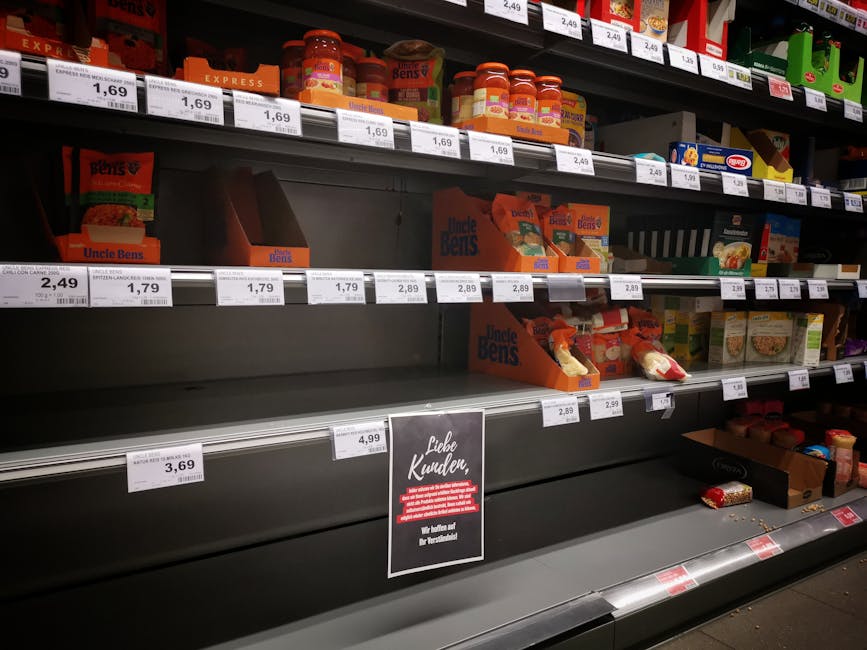

If you’ve tried to pick up a box of STōK coffee shots lately—maybe for your morning routine, or to keep in your desk at work—you probably ran into a familiar “out of stock” label. Stores that usually carry stacks of these tiny bottles are suddenly cleared out, and you’re not alone in wondering: what’s going on with STōK coffee shots?
Let’s take a look at what’s behind this shortage, what it means for coffee lovers, and if there’s any hope of getting your hands on STōK shots again soon.
How STōK Coffee Shots Got So Popular
STōK coffee shots, if you haven’t tried them, are these small, super-concentrated coffee servings in a tiny bottle. People love them because they offer a quick caffeine boost—each 13ml shot packs about 40mg of caffeine.
You’ll find them everywhere: in convenience stores, with single-serve creamers, and even in break rooms. They’re great for people who want an extra jolt in their regular cup without having to brew a double espresso.
But recently, STōK shots have gone from being everywhere to almost impossible to find. Fans have been left frustrated, with some even searching online for alternatives or paying way more through third-party sellers.
The Coffee Industry Hit a Wall
The shortage isn’t just about STōK, though. The whole coffee industry has faced a rough patch over the past year—including some problems that started on the other side of the world.
Brazil, as you might know, is the biggest producer of Arabica coffee beans. These are the premium beans that give lots of cold brews (and STōK’s products) their smooth flavor.
In 2024, Brazil went through a tough drought. The dry spell was so bad that coffee trees across key regions got stressed. Some trees dropped their flowers too early, which meant less fruit by harvest season.
You might not think a few weeks without rain could have a global impact, but weather really can upend this business. When Brazil’s harvest falls short, the world’s supply tightens up.
What made things worse was the timing. Right as Brazil’s problems reached the news, demand for coffee kept climbing—especially for specialty products like cold brew and convenient shots.
Shipping and Supply Chain Headaches
The issues didn’t stop at the farms. Even after coffee was harvested, shipping it got tougher. Port bottlenecks, rising freight rates, and a shortage of shipping containers all made it harder (and more expensive) to move coffee.
A lot of coffee companies—big and small—ran into the same problem. Coffee beans that would normally take a month to ship from Brazil to the U.S. or Europe ended up stuck in limbo for twice as long. Even when the beans finally landed, there were delays getting them roasted, bottled, and into stores.
And since coffee is perishable, companies can’t just “stock up” for six months when supply gets tight. If shipments are delayed, that’s it—some shelves stay empty.
Arabica Beans: More Expensive, Harder to Get
All these challenges have had a real impact on prices. By late 2024 and early 2025, Arabica coffee futures—the prices companies pay for big lots of beans—went up sharply.
Some days saw prices spike by as much as 3%. That’s the highest level since the early 2010s. For coffee brands that use a lot of Arabica in their blends, that stings.
Rising bean prices usually hit smaller products first—the ones that use more concentrated amounts, like cold brew shots. And since STōK is known for using an Arabica-based blend, they’ve been right in the crosshairs of these price hikes.
STōK’s Unique Situation and Tough Decisions
STōK isn’t the only company affected, but it does have some unique challenges. Unlike some bigger brands that can switch up their bean blends or push cheaper alternatives, STōK’s whole pitch is that cold-brewed Arabica smoothness. If they swap in lower quality beans, fans will notice right away.
That puts STōK in a position where, if they can’t get enough quality beans at a price that makes sense, it’s safer to let the product sell out temporarily. Nobody wants a watered-down version or a different taste, right?
On top of that, STōK coffee shots aren’t their biggest product. Their ready-to-drink cold brew bottles are everywhere too, so the company might have focused its limited inventory on the core products people can’t replace as easily.
Some reports suggest manufacturers have also considered pausing or scaling back less profitable items when supply gets tight. The coffee shot bottles are cool, but if they take a lot of resources to make and ship, that’s another strike against keeping them on shelves during a crunch.
Seeing the Shortage on Store Shelves
If you search for STōK coffee shots right now—online or in stores—most locations say “out of stock.” Even on social media, people are swapping updates about which stores got a rare shipment or if there’s a place with leftover old stock.
In some areas, you might spot similar products from smaller brands, but the big names are all struggling. As demand for coffee drinks climbs, the limited supply gets spread thinner and thinner.
For a while, some fans tried to buy in bulk online, but that led to price gouging. A few third-party sellers charged several times the regular price for a single box. Most folks just moved on, looked for substitutes, or went back to regular brewed coffee for their caffeine fix.
What Can Coffee Companies Do?
This sort of industry shock has forced a lot of companies—including STōK—to reconsider their strategies. For one, some have started looking for new suppliers or backup coffee farms in other countries.
But switching suppliers isn’t quick. Brands have to test new beans, adjust recipes, and make sure they’re keeping the quality people expect.
Others are focusing on supply chain upgrades. That could mean building up bigger inventories when possible or creating special deals with shippers to get higher priority for their containers.
Long-term, some coffee brands are even investing in supporting farms directly, funding projects to help growers face drought or bad harvests. That could give them a more reliable supply if things go wrong in Brazil or elsewhere in the future.
On the inventory side, you might notice more brands reducing the number of specialty products they sell. If a company offers 10 flavors of something but can only confidently supply six, they’ll likely cut the less popular ones for now.
How Are Consumers Coping?
Losing your favorite coffee shot isn’t the end of the world, but it is annoying. People who got hooked on STōK now have to look elsewhere.
Some switched to energy drinks or regular brewed coffee with stronger grinds. Others started carrying their own cold brew to work, using travel mugs or portable coffee makers.
In coffee shops, you might notice baristas recommending double shots or “add-ons” to make up for the missing convenience products that used to be right at the register.
And of course, the shortage has made some new brands try their luck. You’ll see a few lesser-known bottled coffee shots on shelves, though people often complain they just don’t taste quite the same.
Are There Signs Things Will Improve?
Industry watchers say we might be seeing the worst of the shortage now, but no one’s predicting a sudden rebound. If Brazil’s harvest does better next year, and if shipping costs come down, things could improve by late 2025.
A lot depends on the weather (again), and global demand just keeps inching up. Companies are watching the market closely and planning for a slow, careful return of specialty products if beans become available.
In the meantime, some business advice publications, like startbusinessstory.com, suggest companies should lean into supply chain improvements and keep an open channel with their most loyal customers.
Expect to see brands add back products like STōK coffee shots gradually—maybe as limited releases or select store exclusives at first.
In The End
So, to answer the question: STōK coffee shots are out of stock pretty much everywhere because the whole coffee market has hit roadblocks—bad weather in Brazil, higher global demand, and ongoing supply chain headaches.
STōK relies on high-quality Arabica beans for those smooth, strong little shots. When those beans run short and get expensive, it’s safer to run out than to cut corners and risk the brand’s reputation.
If you’re missing your STōK fix, substitutions might help for a while—but there’s a good chance your favorite coffee shot will be back, even if it takes a little longer than anyone would like. For now, stay patient, keep an eye on store shelves, and take heart that you’re definitely not the only one checking for a restock.
Also Read:
