


Joint supplements for animals don’t always get much attention, at least until your dog starts showing signs of stiffness or your horse hesitates at the jump. Then, suddenly, you find yourself searching for something that works—and that’s often when you hear about Actistatin. But if you’ve recently tried to buy it, you might have hit a frustrating wall: the product’s simply not available. Here’s what’s going on.
What Is Actistatin, Anyway?
Actistatin is a joint supplement developed for animals—mainly dogs and horses. It’s not new, but it’s earned a bit of a reputation among pet owners, trainers, and vets for helping animals with joint problems move more easily.
For dogs, Actistatin typically comes in the form of soft chews. Most owners find these pretty straightforward to give, and many pups seem to like the taste. For horses, it’s sold as an additive—something you can mix into feed.
Why Do People Use It?
Actistatin is promoted for supporting healthy cartilage and soft tissue, which are both pretty crucial if you want your dog or horse to run, jump, or just walk around without pain. The big three ingredients in Actistatin are glucosamine, chondroitin, and Hyaluronic Acid (HA).
Here’s the part that gets animal owners interested. Glucosamine and chondroitin are found in a lot of joint supplements. What Actistatin claims is that it improves how your animal’s body actually absorbs these ingredients. The suggestion is that more of it gets to the right place, so you see better results.
Several studies, mostly done in-house or through client observation, suggest Actistatin helps boost the body’s natural production of Hyaluronic Acid. That’s a compound that keeps joints lubricated—basically the oil in your pet’s shock absorbers. More HA could mean more flexibility, less friction, and less pain.
So, What’s the Deal With the Current Stock Issues?
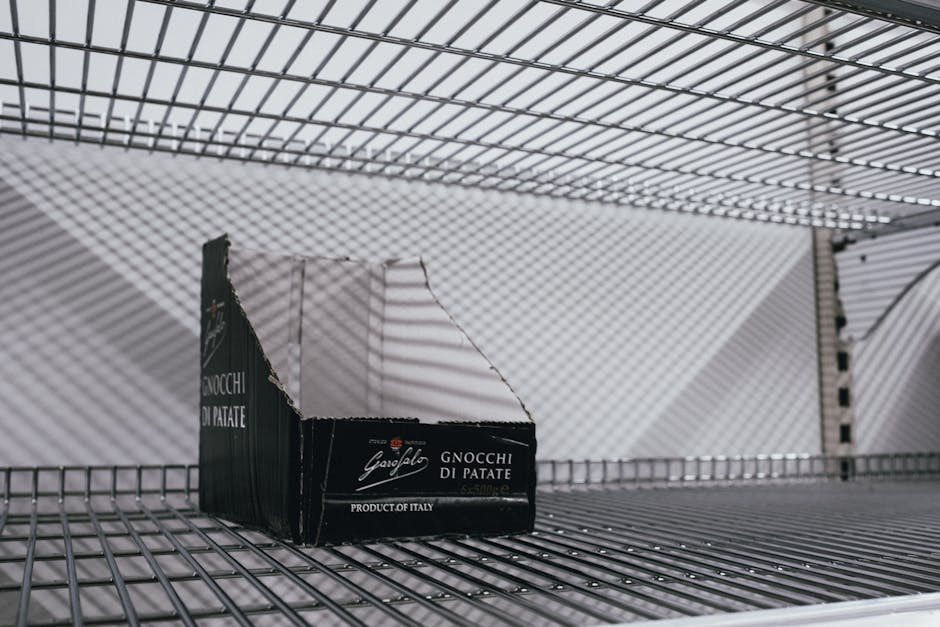
Lately, pet owners and trainers have had a tough time getting their hands on Actistatin. If you’ve tried to order it online, you might find the product showing as “out of stock” at various retailers. Even some vet offices that used to keep it on hand now say they don’t know when they’ll have it again.
Thing is, there isn’t any official statement out there explaining why it’s not available. The company hasn’t put out a press release about production stops or a recall. There are no warnings from animal health agencies, and customer service hasn’t been much help—the answer is often just that they don’t know when they’ll have it back.
That leaves everyone guessing. But there are a few common reasons supplements disappear from shelves, and Actistatin could be caught up in any one of them.
How Supply Chain Problems Might Be Involved
Since 2020, a lot of people have become way more familiar with how supply chain issues mess with product availability. We’ve seen it with everything from toilet paper to car parts. Supplements aren’t immune.
At some point, every pet supplement company has to source raw ingredients—like glucosamine, chondroitin, or HA. If the supplier has a shortage, is delayed, or raises prices unexpectedly, it can throw off the whole production calendar. Even a small hiccup early on can ripple down the line.
Then there’s manufacturing itself. Any supplement, especially one marketed as “triple-patented” or “clinically proven,” usually comes from a specialized facility. If that plant undergoes maintenance, faces quality control checks, or pauses for upgrades, production can slow to a crawl.
Some companies get hit by packing shortages too. Let’s say there’s a delay in getting jars, bags, or even the labeling they use. Suddenly, the finished chews or powders have nowhere to go—and shipments to stores stop.
Don’t forget about increased demand. If there’s a sudden wave of attention or praise in dog owner groups or horse forums, a product can sell out much faster than a manufacturer expected. Pet owners talk, especially when something genuinely seems to work, and all it takes is a few viral posts for orders to spike.
No Reports of Safety Recalls or Health Warnings
One thing we can rule out for now is a health recall. There haven’t been any published safety warnings or federal recalls related to Actistatin recently. If there were, the FDA or other animal health authorities would have logged it, and chances are you’d see stories about it online.
So, if Actistatin is missing from shelves, it’s more likely about “not enough” product rather than “something’s wrong” with what’s already out there. That may be a small comfort if your pet needs it, but it does clarify the situation a little.
Other Causes: Contract Changes, Ownership, or Rebranding
There are a couple of other reasons why supplements disappear, though. Companies sometimes switch manufacturers to cut costs or improve quality. A bad transition can shut down production for months.
Other times, a supplement company is bought out by a larger corporation. There’s often a pause in supply while the paperwork gets sorted and branding is updated. Even changing package designs (new labels, new bottle shapes) can slow delivery.
While we haven’t seen any definite news about a buyout or rebranding for Actistatin, none of these behind-the-scenes changes would be shared with the public until the dust settles.
How to Find Alternatives or Substitutes
If you can’t wait for Actistatin to return, you have options. There are several other joint supplements on the market that include glucosamine, chondroitin, and sometimes HA.
The big names you’ll run into are Cosequin, Dasuquin, GlycoFlex, and Flexadin. These products may work best for dogs and horses, but each one has a slightly different ingredient profile and dosage. If Actistatin worked well for your pet, they’d likely do best with something similar—so check the labels for the same active ingredients.
If in doubt, ask your vet. Most veterinarians have preferences for certain brands, usually based on which ones are backed by clinical research or feedback from their clients. Some will even carry an in-house brand.
You can also check small, family-owned pet supply stores. Sometimes they have stock that the bigger online retailers don’t. And don’t be afraid to call ahead. It’s easier than driving out only to leave empty-handed.
A few owners report success hunting for Actistatin through specialty animal nutrition shops or contacting the manufacturer directly. While you may not always get a direct purchase option, it’s worth sending a quick email or calling the customer service line just to double-check.
Tips for Dealing With Stock Shortages
If you have a nearly empty jar at home, consider stretching out the doses—ask your vet if it’s safe to give smaller amounts while you look for more. Don’t switch supplements without clearing it first, especially if your animal has a history of allergies or other medical issues.
It’s also good to keep records of how your pet reacts to different supplements. Note changes in movement, appetite, or any new symptoms. That way, if you need to try a different brand for a while, you have a clear baseline to compare with.
Online communities, like local Facebook groups or pet owner forums, sometimes share leads on where products are still in stock—or alert each other to new shipments arriving. If you post, just remember to double-check recommendations with a vet or a reputable source.
If you’re interested in broader business impacts for companies or trends in product shortages, there are resources like Start Business Story that can shed light on what’s happening in different industries, including pet supplements.
What Happens Next?
So, where does this leave pet owners who rely on Actistatin? Right now, the reasons for the shortage mostly come down to supply and demand, production or packing snags, and maybe even business changes in the background.
Since no safety warnings or recalls have been issued, it seems like Actistatin will eventually return—it’s just a matter of waiting for those parts of the chain to catch up. For now, you can watch for updates from your usual retailers or set up notifications when it’s back in stock.
In the meantime, talk with your vet about substitutions or how best to manage your animal’s joint health until you can get your hands on Actistatin again. When products you count on vanish, it’s always a headache. But with a little flexibility and a few workarounds, you’ll usually find a short-term solution that keeps your pet moving and comfortable.
If fresh details come to light about Actistatin’s status, suppliers and retailers will likely let customers know quickly. Until then, keeping an eye on reputable sources and asking for professional advice is the best game plan.
Also Read:
