

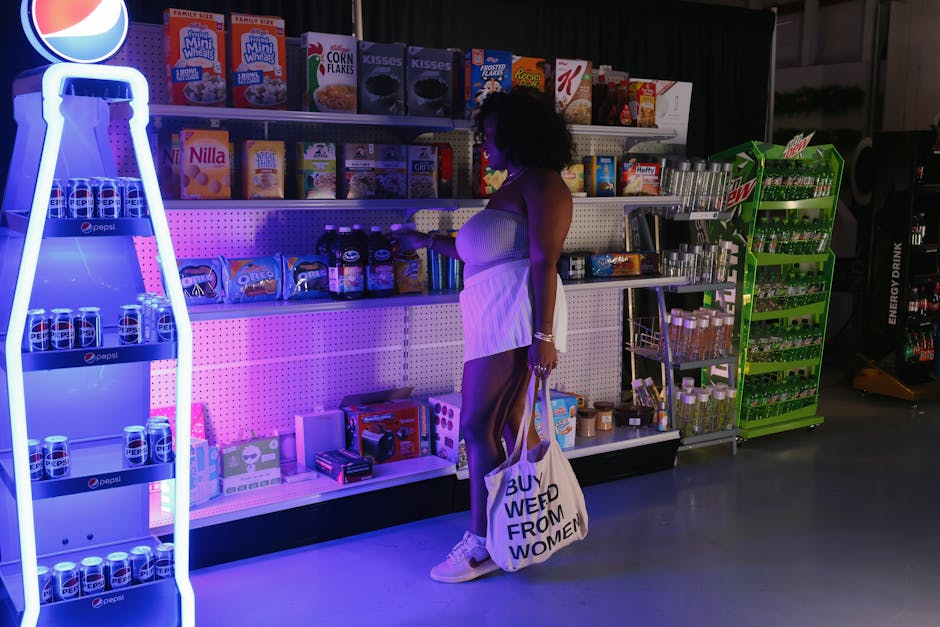

If you’ve spent much time lately hunting for Fiber One cereal, you know it’s gotten tricky to find. Shelves that used to have plenty of boxes now sit empty, or maybe you just see a “temporarily unavailable” tag at your local store. It’s a situation frustrating lots of shoppers who count on this high-fiber breakfast. So, what’s the real reason it’s been so hard to track down a box — and is the stuff actually discontinued, or is it just having a tough season?
The short answer: Fiber One cereal is not discontinued, but it’s definitely running into some availability headaches. Most grocery stores and online retailers just don’t have as much on hand as they used to. Here’s what’s behind it.
Why Fiber One Has Become Hard to Find
The easiest way to explain the shortage? It’s a combination of old and new problems piling up all at once.
Supply Chain Disruptions That Just Won’t Quit
First, you’d have to be living under a rock not to notice supply chain issues since 2020. The chain stretches from grain farmers and ingredient suppliers to processing plants, packaging factories, and cross-country trucking. After COVID-19 hit, every link on that chain saw disruptions. Even now, a few years later, those ripples haven’t really settled down.
Fiber One’s main ingredients rely on a stable global market. If oats or whole grains from one region get delayed, everything down the line stalls. There have also been slower deliveries for packaging — so even if the cereal is ready, they can’t actually box it up and ship it out as quickly.
Then, with more unexpected events like storms, fuel price hikes, or labor shortages, things get even bumpier. It doesn’t take much to make a bad week worse, and all these little setbacks build up over months.
Production Issues at the Cereal Factories
General Mills, the company behind Fiber One, has had its own unique headaches too. Toward the end of 2022 and throughout 2023, several of their U.S. cereal plants operated below capacity. Sometimes, it’s a machine breaking down. Sometimes, they just couldn’t staff the facility as fully as usual.
Making cereal at this scale is like running a well-oiled assembly line — but if even one part of the line isn’t working, piles of cereal can’t get packaged and sent to stores. These slowdowns don’t always make big headlines, but behind the scenes, they make it easy to see why shelves get patchy.
More People Wanting More Fiber
This is the piece you might not expect: demand has quietly but noticeably surged. It probably sounds odd, but cereals like Fiber One got a boost as more people focused on high-fiber, gut-friendly diets. Maybe it’s a doctor’s recommendation, or maybe it’s people just reading up on nutrition trends.
In any case, more shoppers are tossing this cereal into their carts — and that means every batch sells out faster. So even outside supply issues, it’s just harder for stores to keep up a steady supply.
General Mills’ Response and What They’re Saying
This wasn’t one of those mysterious shortages where nobody talks. General Mills came out to confirm that yes, Fiber One is experiencing a real supply pinch. In statements to customers, social media replies, and even responses to reporters, they’ve said they’re very aware of the problem.
At the time, the company apologized for the inconvenience and admitted that it had a production backlog to clear. They projected that, if everything went right, normal stock would return by the end of October 2023.
Here’s what their message basically said: “Currently, Fiber One cereals are experiencing supply issues. We are very sorry for any inconvenience this may have caused. We expect the stock to return to normal in October 2023.”
Some shoppers did notice improvement toward fall, but not everywhere. A lot depends on where you live, your local store’s distributor, and how quickly supplies can catch up in your area.
This Isn’t the First Time a Major Cereal Vanished
It might feel personal if you’re suddenly missing your regular box of cereal, but the story is bigger than just Fiber One. Other General Mills cereals — think Wheaties, Cheerios, or Cinnamon Toast Crunch — have run low before, too.
Cereal production can be unpredictable. Grains are tied to harvests, the price of shipping rises and falls, and big companies have to juggle different products all using the same plants. When a brand suddenly sees demand shoot up, there’s often nowhere to turn for extra supply, at least not quickly.
In previous years, shortages have hit in waves. Maybe there’s a new health study, or a viral social media trend that spikes sales. Sometimes a flavor goes viral, and nobody quite expects how many people will buy it. In other words, these rough patches happen from time to time — and could even come back around in the future.
One other factor: fans of specialty or “health food” cereals are often loyal, so when supply snaps back online, aisles generally clear out fast.
Are More Shortages Still Possible?
With food production, there are always moving parts. Even now, the grocery industry is still dealing with shipping bottlenecks, overseas ingredient delays, and shifting labor. If a new wave of supply chain problems crops up in 2025 or later, another dry spell is possible.
No one at General Mills has promised a forever fix, just that they’re working to stabilize things as soon as possible. Smaller problems — like a packaging material delay or weather issue — can cause new waves of out-of-stock tags, even once big shortages seem solved.
Alternatives to Fiber One Cereal (If You Need Your Fiber)
While Fiber One is a go-to for a lot of people thanks to its high-fiber content and taste, you’re not completely out of luck if you can’t find it right now. The easiest fix is to look for other cereals with similar nutrition stats.
Some options: Kellogg’s All-Bran, Post Grape-Nuts, or even generic store-brand high-fiber blends often fill the gap. They may taste different — and the texture won’t always match — but if fiber is your goal, there are decent substitutes.
Another idea is to mix things up by adding natural fiber to other breakfast foods. Sprinkle chia seeds, ground flaxseed, or unprocessed wheat bran into yogurt, oatmeal, or even smoothies. You could try those single-ingredient bran cereals that some big-box stores carry, or test a few new brands until things settle down.
If you’re curious about swapping beyond breakfast, there are recipes and more tips at places like Start Business Story, which sometimes covers grocery trends and food alternatives for smart shoppers.
Trying something new isn’t always as easy as tossing your old favorite into the cart, but it can help tide you over. Some folks even report discovering new favorites this way.
If you usually rely on Fiber One for a specific diet or medical reason, be sure to check the nutrition labels on alternatives and talk to your doctor or dietitian if you’re making big changes.
What’s Next for Fiber One?
For now, General Mills says they’re still working to restore steady supply. They’re adjusting production, sorting out distribution setbacks, and trying to respond faster to stores when demand spikes again.
The grocery business changes quickly — so some stores may get back to full Fiber One stock before others. If your regular spot doesn’t have it, try checking smaller groceries, regional chains, or online retailers. Sometimes stock gets routed differently, and a less obvious store can surprise you.
Since the pandemic, a lot of companies have gotten better at posting quick updates. You might check General Mills’ website or their official social pages for the latest news. Occasionally, they’ll even answer individual shoppers who message them about locations where the product is back on shelves.
Bottom Line
So, if you’re standing in a cereal aisle, wondering why Fiber One is nowhere to be found, it’s not your imagination — and it’s not a sign that the company gave up on one of its flagship cereals. Supply chain headaches, production disruptions, and just plain higher demand all hit at once, making stock tight or uneven at plenty of stores.
General Mills says full supply should be back in most places soon, but it’s not a quick overnight fix. In the meantime, you’ve got options. Look for other cereals with similar fiber, or try out some high-fiber breakfast hacks until the aisle looks a little more normal.
Keep an eye out for updates, grab a box when you spot one, and don’t stress if stores are slow to catch up — we’re all just living through the quirks of the modern grocery world.
Also Read:
