

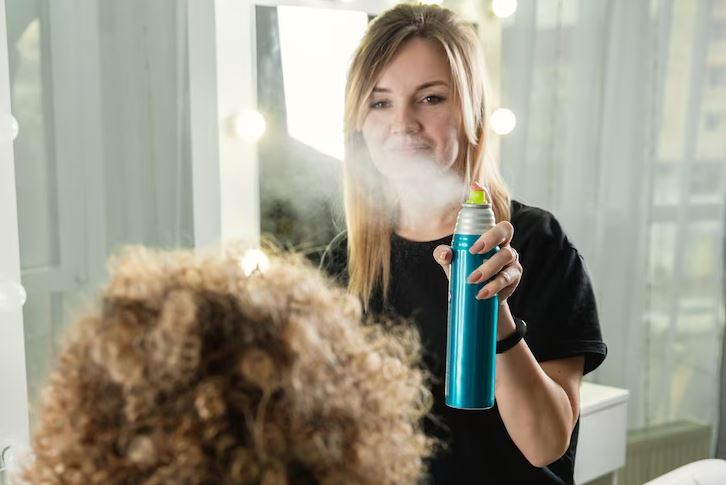

If you’ve turned to your local beauty store or tried to order Redken Dry Shampoo online recently, you might’ve noticed something odd: it’s almost always out of stock. People are asking in forums. Store shelves are empty. Even big sellers like Amazon and Ulta can’t seem to keep it available. What’s actually going on here? Let’s look at what’s behind this sudden dry shampoo drought.
The Quiet Rise of Redken Dry Shampoo
Redken isn’t new to the hair care aisle, but its dry shampoo products have really gained ground over the last couple of years. A big reason? The formula is cleaner and leaves less residue compared to lots of other brands.
If you have dark hair, you know the struggle—most dry shampoos leave that weird white cast behind, which is annoying and super obvious. Redken’s “Invisible” formulas, as the name suggests, pretty much solve that. For people sensitive to heavy scents, the milder fragrance is a win too.
Social media has definitely played a part. TikTok and Instagram are full of beauty creators swearing by Redken’s dry shampoo for making their blowouts last longer or helping them skip wash day. Since it actually blends in without a trace, it’s easy to see why word of mouth has turned into actual rush-to-the-store demand.
Busy Lifestyles and Changing Habits Boost Demand
Let’s be honest: most of us are looking for shortcuts when it comes to getting ready. The “wash less, style smarter” trend started to pick up even before the pandemic, but lockdowns made it explode. Without daily commutes, people started washing their hair less, and products promising to refresh hair without water became a staple.
The dry shampoo market as a whole is growing fast. It’s projected to jump by more than $3 billion between 2025 and 2029. Brands keep coming up with smarter formulas, and consumers—especially young women—are buying more dry shampoo than ever. Redken has benefited from this, but the spike in demand is making it hard for stores to keep up.
We’ve seen similar “trend shortages” before—think when certain brow gels or mineral sunscreens hit a tipping point and couldn’t stay in stock.
Rumors of Discontinuation Spread Online
Whenever a popular product goes missing from store shelves, fans start to worry. Scrolling through Reddit or beauty forums, you’ll see dozens of posts from people panicking: “Has Redken dry shampoo been discontinued?” “Why can’t I find it anywhere?” The uncertainty leads to panic-buying or folks hunting for a new backup product just in case.
But as of now, Redken hasn’t announced any plans to cut its dry shampoo line. There’s no official statement about discontinuation, just a whole lot of sold-out notices. In fact, if you check the brand’s website or reach out to their support team, they’ll basically tell you the same thing—there are supply issues, but nothing is actually discontinued.
This kind of rumor cycle isn’t unique to Redken. Back in 2022, people started rumors about other brands like Batiste or Klorane disappearing, when really the products just couldn’t keep up with a spike in demand.
Shipping Aerosols: A Hidden Headache
Here’s something that doesn’t get talked about much: dry shampoos in spray form are considered aerosols, which means they have special shipping rules. In the United States, that means they’re typically labeled ORM-D, marking them as “other regulated materials—domestic.” Translated: these cans aren’t supposed to go on airplanes and have to be handled with more care, which makes shipping slower and sometimes more expensive.
If a retailer is running low on stock or waiting for a new shipment, delays can drag out for weeks. In some cases, you’ll find Redken dry shampoo sold out online but occasionally in stock at a local store—just because the physical location already had it in the back room, and the online inventory hasn’t caught up.
Holiday demand and weather disruptions on shipping routes can add to the confusion. So can new state or country regulations on certain chemicals—which, while not specific to Redken, can affect the whole dry shampoo aisle.
Consumers Are Reading the Ingredient Lists
There’s another factor at play. In the last few years, shoppers have become hyper-aware of what actually goes into beauty products. Some older dry shampoos have made headlines due to certain propellants (like benzene), which research has linked to cancer risks if overexposed. The FDA has investigated, and a few brands had big recalls, making everyone more cautious.
Redken has not been publicly linked to any major safety issues, but that general shift has more people double-checking labels. Sometimes, when this ingredient-focused scrutiny hits a product or its wider category, it can slow down production (because manufacturers want to double-check or tweak formulas) or, weirdly, increase demand (as people hoard the “safer” options or shop brands they trust).
The trend towards “waterless beauty” is another reason dry shampoos are a hot ticket. Shoppers like the idea of saving water and time and don’t want to deal with complicated routines. When a well-respected brand like Redken jumps into that space with a product that also avoids some common concerns—like residue or heavy scents—it’s nearly guaranteed to sell out.
Why Is Restocking So Slow?
So, let’s sum up what’s causing this shortage: We’ve got more people who want dry shampoo (and want it now), a specific demand for Redken’s residue-free and lighter formulas, plus the slowdown caused by shipping rules. Add the periodic social media surges and influencer mentions, and the shelves clear out even faster.
Stores and online shops order what they think they need—but if a product takes off faster than expected, it can take weeks for inventory to catch up. Since aerosol shipping is slow, and there’s lots of paperwork involved, it’s not as easy as sending a few extra cases overnight. Some retailers might purposely limit online sales for items that have tricky shipping requirements, just to keep things from getting tangled up.
You may also notice that certain outlets restock earlier than others. That’s because some stores get priority on new shipments, or they’re bigger Redken partners in their area. But even then, supply can be spotty—especially when thousands of people are waiting for the same product alert.
How Ingredient Concerns Play Into Supply and Demand
Even though Redken’s formulas are marketed as “invisible” and fairly mild, the whole dry shampoo category has been under the microscope lately. News stories about potential risks in aerosol products have made buyers a little jumpy. However, these safety concerns don’t seem to be what’s holding up Redken specifically.
Instead, the chatter around ingredients likely boosts demand for brands that people view as responsible or transparent. If you’re suddenly wary of a handful of buzzy brands with recalls, you’re probably more likely to grab Redken’s next time you see it on the shelf. Supply doesn’t always keep pace with that kind of sudden loyalty swing.
Should You Switch Brands… or Keep Waiting?
If you’re a longtime Redken user, it might be tempting to hunt down an alternative, but lots of shoppers find the switch jarring. Not every dry shampoo feels or smells the same—and most won’t blend in quite as invisibly, especially if your hair is dark or fine. That said, some people are buying smaller bottles or travel sizes whenever they spot them, or turning to salon supply stores that occasionally get random stock.
Another option is to sign up for restock alerts on online shops, or check with your local stylist (they sometimes have insider info on when a shipment is due). There’s also always a bit of luck involved—some Ulta or Target stores might just get a new case without warning.
If all else fails, you can find more news and tips on tracking popular business trends and product restocks at StartBusinessStory, which sometimes highlights restocking schedules or alternatives worth trying.
The Big Picture: A Shortage Driven by Success
It’s pretty simple: people want Redken dry shampoo because it works, it’s easy to use, and it fits the current shift toward practical, low-mess hair care.
Combine that demand with viral moments, slow and careful shipping regulations, plus a dose of ingredient paranoia—and you get the perfect recipe for empty store shelves.
No sign points to a permanent disappearance, though. Industry forecasts expect the dry shampoo market to keep booming over the next few years. As stores and suppliers adapt, supplies will likely stabilize, and you’ll probably see Redken back on more shelves soon—maybe not overnight, but eventually.
So if your go-to bottle is empty, you’re definitely not alone. For now, a little patience (and maybe a store-hopping strategy) is probably your best bet until the rush dies down or the next shipment quietly rolls in.
Also Read:
